
Home · Industries · Music & Vinyl
음악·바이닐 발매 바코드
바이닐이 돌아왔습니다. CD는 지속. 스트리밍이 지배. 모든 형식이 바코드 필요 — 인디 레이블·자가발매 아티스트·바이닐 재발매 플레이북.
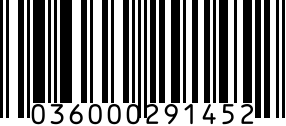
음악 산업은 계층적 식별자 시스템을 가집니다. UPC-A 또는 EAN-13이 발매(특정 형식의 앨범 전체)를 식별. ISRC(International Standard Recording Code)가 개별 녹음을 식별 — 발매의 모든 트랙이 로열티 추적용 자체 12자 ISRC를 가짐. ISWC가 기저 작곡을 식별. 물리 또는 디지털 발매 바코드는 UPC 또는 EAN.
바이닐이 급증 — RIAA는 2020년 이후 매년 바이닐 매출이 CD를 초과했다고 보고, 2025년 새 바이닐 시대 최고치. 모든 바이닐 프레싱 공장이 재킷에 UPC 요구. 스트리밍 배급사(DistroKid·CD Baby·TuneCore)가 Spotify·Apple Music에 업로드되는 모든 발매에 UPC 요구. 바이닐 500장을 찍든 싱글 하나를 Spotify에 올리든 바코드 필요.
Recommended barcode formats
북미 음악 발매 표준 — 모든 주요 배급사(DistroKid·CD Baby·TuneCore·Believe) 요구. 바이닐 재킷 뒤·CD 케이스·DSP 메타데이터.
유럽 음악 발매(PIAS·Believe·Idol). 동일 GS1 시스템, EAN-13 형식. EU 프레스 바이닐·CD 뒤.
음악 사진집·작곡가 전기·악보 모음 — 도서 형식이며 음악 UPC 외 ISBN-13 필요.
프레싱 공장 내부 추적 — 프레싱 런 ID·마스터 테이프 번호·공장 위치. 내부 전용, 소매 바코드 아님.
Regulatory notes
- ISRC는 IFPI가 글로벌 관리. 한국은 한국음악콘텐츠협회/usisrc.org에서 등록자 코드 발급 — 평생 자체 ISRC 발행 가능.
- 음악 UPC는 다른 소매 제품과 같은 GS1 시스템. 음악 전용 GS1 없음 — 저희 「UPC 코드 구매」 페이지에서 검증된 GS1 파생 UPC를 받을 수 있음($5부터).
- 스트리밍 배급사(DistroKid·TuneCore·CD Baby)는 유료 플랜에 무료 UPC+ISRC 포함. 스트리밍 전용엔 무료 UPC 괜찮음; 물리 프레싱엔 대부분 아티스트가 소유권 위해 자체 구매.
- 스트림 보고는 로열티 배분 위해 모든 트랙에 ISRC 요구. 메이저 레이블과 PRO(ASCAP·BMI·KOMCA)가 ISRC+ISWC로 누가 무엇에 지급받는지 추적.
- EU GDPR는 바코드 음악 제품에 영향 없음 — 바코드는 GTIN 포함, 개인 데이터 아님.
Step by step
- 1
유통 경로 결정: DSP 전용 또는 물리도
스트리밍 전용(Spotify·Apple Music·YouTube Music): DistroKid/TuneCore/CD Baby 사용 — 구독 내 UPC+ISRC 처리. UPC 구매 불요. 물리+DSP(바이닐·CD+스트리밍): 자체 UPC를 마련해 형식 전반 식별자 통제 — 저희 「UPC 코드 구매」 페이지에서 $5부터. 하이브리드 흔함: 물리 발매마다 UPC 마련, 디지털 전용 싱글엔 DistroKid 발급.
- 2
ISRC 등록자 코드 획득
한국음악콘텐츠협회 또는 usisrc.org에 신청. 일회성. 고유 5자 등록자 코드 수령. 이후 평생 원하는 만큼 ISRC 발행 — 건당 비용 없음. 형식: CC-XXX-YY-NNNNN. 모든 발매 모든 트랙이 고유 ISRC. 라이브·리믹스·대체 편집 = 각각 자체 ISRC.
- 3
물리 발매용 UPC 구매
바이닐 프레싱·CD 제조 시: 발매당 형식당 UPC 하나. 바이닐 LP와 CD로 발매되는 12트랙 앨범 = UPC 2개. 한정판 게이트폴드 바이닐 재발매 = 3번째 UPC. 저희 「UPC 코드 구매」 페이지에서 받을 수 있음($5부터).
- 4
재킷/케이스용 UPC-A 바코드 생성
위 생성기 사용. 표준 UPC-A 크기(1.469″ × 1.02″) 80-100% 스케일 렌더. 바이닐 배치: 뒤표지 우하단, 0.125″ 정음 구역. CD 주얼 케이스: 뒤 트레이 인서트 우하단. 오프셋 최소 200 DPI; 프레싱 공장 열전사엔 300 DPI 선호.
- 5
UPC+ISRC로 배급사에 업로드
DistroKid/TuneCore/CD Baby 업로드 흐름이 발매 UPC와 각 트랙 ISRC 요구. 배급사 발급분이면 발매를 쉽게 못 옮김(UPC가 배급사에 남음). 자체 제공분(UPC는 저희 구매 페이지, ISRC는 usisrc.org)이면 발매 이식 가능 — 배급사 변경해도 같은 식별자 유지해 스트리밍 수치 보존.
- 6
음원·음악 DB에 발매 등록
발매 후 주요 음악 DB가 배급사에서 자동 수집: AllMusic·Discogs·MusicBrainz·Spotify 카탈로그. '팬들이 좋아한' 추천 알고리즘에 올바르게 나타나려면 UPC+ISRC가 배급사 메타데이터와 이 DB 간 일치 필요. 불일치는 스트리밍 로열티가 잘못된 아티스트에게 가는 1위 원인.
Gotchas
- 같은 앨범의 바이닐 LP와 CD는 다른 UPC 필요 — 같은 음악, 다른 물리 제품, 다른 식별자. 공유는 모든 소매업체 재고 시스템을 깨뜨림.
- 배급사 발급 UPC(DistroKid 등)는 배급사 소유. 배급사 변경 시 새 UPC로 재발매해 누적 스트리밍 통계 손실 가능. 자체 UPC 소유가 이 락인 회피.
- ISRC는 절대 재사용 금지. 다른 앨범에 트랙 재발매해도 같은 ISRC 유지. 리믹스·대체 편집·라이브 버전은 '같은 곡'이어도 새 ISRC.
- 바이닐 재발매는 보통 자체 UPC 받음. 1980 앨범을 2025년 컬러 바이닐로 재발매 = 새 UPC, 원본 아님. Discogs 수집가가 이를 중시 — 재발매에 원본 LP UPC 쓰면 모두 혼란.
- 악보·송북·음악 전기는 도서 — 음악 UPC 아닌 ISBN 필요. ISBN은 각국의 ISBN 관리 기관에서 발급되는 별도 식별자 시스템.
- Bandcamp는 디지털 발매에 UPC 불요(발매 페이지가 없이 작동). 스토어 통해 파는 물리 상품(바이닐·CD·카세트)엔 UPC 요구.
FAQ
음악 발매에 UPC가 필요한가요?
물리 제품(바이닐·CD·카세트)은 예 — 모든 소매업체와 프레싱 공장 요구. 스트리밍 유통도 예 — Spotify·Apple Music·아마존 뮤직이 모든 발매에 UPC 필요. 유일 예외: Bandcamp 디지털 다운로드는 엄격히 불요(권장은 됨). UPC는 자체 마련(저희 「UPC 코드 구매」 페이지, $5부터 — 본인 소유) 또는 배급사 발급(무료, 배급사 소유).
UPC와 ISRC는 어떻게 다른가요?
UPC는 발매를 식별 — 특정 형식(바이닐·CD·디지털)의 앨범 전체. ISRC는 개별 녹음을 식별 — 한 트랙의 한 특정 테이크. 12트랙 앨범은 UPC 1개와 ISRC 12개. UPC는 소매·재고용; ISRC는 로열티 추적·스트리밍 분석용.
음악 UPC 비용은 얼마인가요?
배급사 사용 시 무료(DistroKid·TuneCore·CD Baby) — 구독에 하나 발급, 단 배급사 소유. 자체 구매 시 저희 「UPC 코드 구매」 페이지에서 $5부터. 대부분 진지한 레이블과 인디 아티스트는 소유권과 배급사 간 이식성 위해 자체 구매.
바이닐이 CD와 다른 바코드가 필요한가요?
예 — 다른 물리 제품은 같은 앨범이어도 다른 UPC 필요. 같은 앨범 바이닐 LP UPC와 CD UPC는 두 별개 식별자. 한정판 변형(컬러 바이닐·7인치 싱글·게이트폴드)도 각각 자체 UPC. 수년 후 재발매도 보통 새 UPC.
바이닐 재킷 어디에 바코드가 가나요?
뒤표지 우하단, 0.125″ 정음 구역(흰 여백). 표준 UPC-A 크기 100% 스케일 1.469″ × 1.02″ — 공간 빠듯하면 ~80%(1.175″ × 0.816″)로 축소 가능. 흰 배경 검정만; 컬러 배경은 스캔 신뢰성 파괴. 프레싱 공장이 정음 구역 없거나 잘못된 색 바코드 아트워크 거부.
Spotify와 바이닐에 같은 UPC를 쓸 수 있나요?
기술적으로 예(같은 앨범, 형식 전반 같은 UPC는 GS1 허용)이나 그러면 안 됨. 스트리밍·물리 소매업체가 다른 제품으로 취급 — 별개 UPC가 스트리밍 vs 바이닐 매출 독립 추적과 소매업체 시스템 SKU 충돌 회피. 거의 모든 레이블이 형식별 별개 UPC 사용.
음악 ISRC 코드란?
International Standard Recording Code. 형식 CC-XXX-YY-NNNNN의 12자: 국가(KR/US/UK/GB), 등록자 코드(usisrc.org의 5자 ID), 연도(2자), 일련번호. 한 특정 녹음 식별. 모든 발매 모든 트랙이 고유 ISRC, 절대 재사용 안 됨. 스트리밍 플랫폼과 PRO(ASCAP·BMI·KOMCA)가 ISRC로 로열티 정확 배분.