
Home · Learn · ISBN이란? 13자리 국제 표준 도서 번호 해설
ISBN이란? 13자리 국제 표준 도서 번호 해설
ISBN은 출판된 모든 도서의 고유 13자리 식별자입니다. 의미, 받는 방법, KDP의 ASIN과의 차이를 정리합니다.
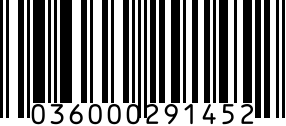
ISBN은 International Standard Book Number(국제 표준 도서 번호)의 약자입니다. 각국 ISBN 기관(미국 Bowker, 영국 Nielsen, 한국 국립중앙도서관 서지정보유통지원시스템, 국제 ISBN 기관)이 모든 출판 도서 판본에 발급하는 고유 13자리 상업 식별자입니다. 2007년 1월 1일부터 모든 ISBN은 13자리입니다 — 구간 도서는 10자리 ISBN-10 형식이 보일 수 있습니다.
도서의 각 형식과 판본은 고유 ISBN을 받습니다. 같은 제목의 페이퍼백, 하드커버, 오디오북, 큰글자, 각 언어 번역에 별도 ISBN이 필요합니다. 서점, 도서관, 배급사, Amazon, IngramSpark, 대부분의 소매 카탈로그가 특정 판본 식별·주문에 ISBN을 사용합니다.
ISBN의 구조
13자리 ISBN은 5부분으로 나뉩니다: (1) Bookland 프리픽스 — 978 또는 979, 도서로 식별; (2) 등록 그룹 — 국가·언어권(영어권 0/1, 프랑스어 2, 독일어 3 등); (3) 등록자 — 출판사; (4) 출판 요소 — 특정 판본; (5) 체크 디지트 — 앞 12자리에서 모듈로 10으로 계산된 한 자리. 총 길이는 항상 13자리이며 가독성을 위한 하이픈은 선택적.
ISBN-10 vs ISBN-13
ISBN-10(10자리)은 2007년 1월 1일 이전 표준이었습니다. ISBN-13(13자리)이 978 Bookland 프리픽스를 추가해 ISBN을 EAN-13 바코드 체계와 정렬하며 대체했습니다. 2007년 이전 모든 ISBN-10은 직접 ISBN-13 등가가 있습니다: '978'을 앞에 붙이고 체크 디지트 재계산. 979 프리픽스는 용량 확장을 위해 나중에 추가. 2007년 이전 출판 Amazon 도서는 ASIN으로 ISBN-10이 보일 수 있습니다.
ISBN 받는 방법
한국: 국립중앙도서관 서지정보유통지원시스템에서 출판사가 발행자 번호를 받고 그 범위 내에서 ISBN 채번(무료/저비용). 기타 국가: isbn-international.org에 등재된 각국의 ISBN 관리 기관을 통해 발급받으며 비용은 국가별로 다릅니다. Amazon KDP는 KDP 독점 출판 시 무료 ISBN 제공 — 그러나 그 ISBN은 KDP 배급에 묶입니다. IngramSpark, Apple Books, 도서관 배급 유연성을 원하면 자국 ISBN 기관에서 직접 발급받으세요.
ISBN vs ASIN: 무엇이 필요한가
ISBN은 전 세계 도서 식별자 — 모든 서점·도서관이 사용. ASIN은 Amazon 내부 상품 코드 — KDP 등록 생성 시 자동 부여. Amazon Kindle 전자책은 ASIN으로 충분(ISBN 불필요). KDP 페이퍼백/하드커버는 ISBN 필요 — Amazon 무료 ISBN 또는 자국 ISBN 기관에서 발급받은 자체 ISBN. Amazon 외 배급에는 무료 KDP ISBN이 아닌 자체 ISBN이 필요합니다.
FAQ
ISBN은 무엇에 쓰이나요?
ISBN은 도서의 고유 13자리 식별자입니다. 서점, 도서관, 배급사, 온라인 소매업체가 원하는 정확한 판본을 찾고 주문하고 참조하는 데 사용합니다. 각 형식(페이퍼백, 하드커버, 오디오북, 전자책)과 각 언어 번역은 고유 ISBN을 받습니다.
내 ISBN 번호는 어떻게 받나요?
각국의 ISBN 관리 기관에서 발급받습니다: 한국은 국립중앙도서관 서지정보유통지원시스템, 그 외 국가는 isbn-international.org에 등재된 자국 기관. Amazon KDP는 독점 출판 시 무료 ISBN 제공 — 그러나 IngramSpark 등에는 못 씁니다. 다중 플랫폼 배급에는 자국 기관에서 직접 발급받으세요.
ISBN 1개 비용은 얼마인가요?
국가별로 다릅니다. 한국은 국립중앙도서관 시스템에서 무료/저비용으로 발급되며, 유료로 발급하는 국가도 있습니다(자국 ISBN 관리 기관에서 확인). KDP 무료 ISBN: $0이나 Amazon 독점 배급 한정. 바코드 이미지 생성(위 생성기)은 ISBN 출처와 무관하게 항상 무료.
KDP는 무료 ISBN을 제공하나요?
예 — Amazon KDP는 KDP로 출판하면 무료 ISBN 제공. 그러나 제한적: KDP 발급 ISBN은 IngramSpark, Apple Books, 도서관 배급에 못 씁니다. Amazon 외 출판을 원하면 자체 ISBN을 사야 하며, KDP 무료 ISBN이 한번 배정되면 양도할 수 없습니다.
책 3,000부 판매는 좋은 건가요?
자가 출판 도서로는 예 — 평균 자가 출판 디지털 전용 도서는 평생 약 250부 팝니다. 3,000부면 인디 도서 상위 약 5%. 전통적 베스트셀러 기준은 훨씬 높지만(주요 소매 연 1만+), 3,000부는 책에 독자가 있다는 명확한 상업 신호입니다.
ISBN-10과 ISBN-13의 차이는?
ISBN-10은 2007년 1월 1일 이전 쓰인 원래 10자리 형식. ISBN-13(13자리)이 EAN-13 바코드와 정렬을 위해 대체 — 2007년 이전 모든 ISBN-10은 '978'을 붙인 대응 ISBN-13이 있습니다. 2007년 이후 신규 ISBN은 항상 ISBN-13으로 발급.
Related generators
Need a real barcode now?
Generate a valid ISBN barcode in seconds, no watermark. Free for casual use; paid plans from $9/mo for higher volume.