
Home · Learn · 바코드란? 작동 원리, 종류, 그리고 왜 중요한가
바코드란? 작동 원리, 종류, 그리고 왜 중요한가
바코드는 빠른 기계 판독을 위해 데이터를 인코딩한 막대·공백 패턴입니다. 작동 원리, 주요 종류, 직접 만드는 방법을 정리합니다.
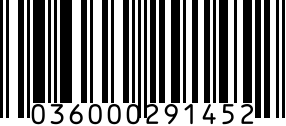
바코드는 데이터를 기계가 읽을 수 있게 시각적으로 표현한 것입니다. 전통적 1D 바코드는 폭이 다른 검은 막대와 흰 공백으로 문자를 인코딩하고, QR 코드·Data Matrix 같은 현대 2D 바코드는 점 격자로 같은 면적에 훨씬 많은 정보를 담습니다. 스캐너가 패턴을 읽어 문자로 디코딩하고 컴퓨터 시스템에 전달합니다.
바코드는 1974년부터 소매 포장에 사용되었습니다 — 최초로 스캔된 상품은 미국 오하이오 트로이의 한 슈퍼마켓에서 팔린 리글리 껌이었습니다. 오늘날 거의 모든 소매 상품, 모든 배송 라벨, 모든 병원 손목밴드, 모든 교통 승차권, 제조 라인의 모든 부품에 등장합니다.
바코드 작동 원리
1D 바코드의 각 막대와 간격은 특정 문자를 나타냅니다 — 폭과 패턴 조합이 숫자나 글자를 인코딩합니다. 레이저 스캐너나 이미징 카메라로 스캔하면 스캐너는 흰 공백에서 반사되고 검은 막대에 흡수되는 빛을 측정합니다. 디코더 펌웨어가 타이밍 패턴을 문자로 변환하고 체크 디지트를 검증합니다(대부분의 바코드 표준에 존재). 결과는 밀리초 내에 POS·재고·배송 시스템으로 전달됩니다.
1D vs 2D 바코드
1D(선형) 바코드 — UPC-A, EAN-13, Code 128, ITF-14, Code 39 — 는 데이터를 평행 막대로 가로 인코딩합니다. 20~25자를 담고 수평 스캔이 필요합니다. 2D 바코드 — QR Code, Data Matrix, PDF417, Aztec — 는 양축 격자 패턴으로 인코딩합니다. 더 작은 면적에 수천 자를 담고 전방향 작동하며 내장 오류 정정으로 손상에 견딥니다. 빠른 소매 POS에는 1D, 시리얼라이제이션·마케팅·소형 부품에는 2D.
주요 바코드 종류
소매: UPC-A(미국), EAN-13(국제), EAN-8(소형 포장), ISBN(도서). 물류: Code 128, GS1-128(로트/유효기간 내장 배송), ITF-14(케이스). 식별: FNSKU(Amazon FBA 라벨), Code 39(자동차 부품, 방산). 2D: QR Code(마케팅, 링크), Data Matrix(제약 시리얼라이제이션, 전자, 의료 UDI), PDF417(운전면허), Aztec(교통 승차권), MaxiCode(UPS 라우팅).
바코드 만드는 방법
소매용: GS1 체계에서 발급된 GTIN이 필요합니다 — 저희 「UPC 코드 구매」 페이지에서 검증된 GS1 파생 코드를 받거나($5부터), 본인 명의 프리픽스가 필요하면 거주 국가의 GS1 회원기관을 통해 등록한 뒤 적절한 바코드(UPC-A, EAN-13 등)로 렌더링합니다. 내부 사용, 배송 라벨, 자산 태그용은 Code 128이나 Data Matrix로 유효한 영숫자 값을 쓰면 됩니다 — GS1 등록 불필요. 어느 쪽이든 위 무료 바코드 생성기가 PNG, SVG, PDF, EPS로 구문상 유효한 스캔 가능 바코드를 렌더링합니다.
FAQ
바코드를 쉽게 말하면?
바코드는 스캐너가 읽어 문자나 숫자로 변환할 수 있는 흑백 막대(2D는 점) 시각 패턴입니다. 컴퓨터가 누구도 입력하지 않고 밀리초 내에 상품·포장·품목을 식별하게 합니다.
바코드의 목적은?
수동 데이터 입력 제거. 바코드는 스캐너가 상품 식별자를 즉시 읽어 데이터베이스에서 세부 정보를 조회하고 거래를 처리하게 합니다 — 소매 계산대, 창고, 배송 라벨, 병원 워크플로, 제조 라인 전반. 입력보다 빠르고 표준 인쇄 품질에서 99.99%+ 정확.
QR 코드와 바코드의 차이는?
둘 다 바코드입니다 — '바코드'라는 용어는 QR 코드를 포함한 모든 것을 포괄합니다. 통념상 구분: '바코드'는 보통 세로 막대 전통 1D 선형 코드(UPC, EAN, Code 128), 'QR 코드'는 모서리에 세 위치 사각형이 있는 정사각 2D 코드. QR은 훨씬 많은 데이터를 담고 스마트폰 화면 포함 모든 각도에서 스캔됩니다.
바코드는 아직도 쓰이나요?
예 — 그 어느 때보다 많이. 1D 바코드는 전용 스캐너에서 더 빨리 스캔되므로 소매 POS의 표준입니다. 2D 바코드(QR, Data Matrix)는 마케팅, 제약 시리얼라이제이션, 의료 UDI, 면적당 더 많은 데이터가 필요한 모든 응용에서 성장 중. 이동은 1D→2D이지 바코드→다른 것이 아닙니다.
직접 바코드를 만들 수 있나요?
예 — 위 생성기로 내부 사용·프로토타입·자산 태그 등 GS1 등록이 불필요한 맥락에 구문상 유효한 바코드(UPC-A, EAN-13, Code 128, Data Matrix 등)를 무료로 생성할 수 있습니다. Amazon, Walmart, Google Shopping 소매 등록에는 GS1 체계에서 발급된 GTIN을 인코딩해야 합니다 — 저희 「UPC 코드 구매」 페이지에서 검증된 GS1 파생 코드를 받아($5부터) 렌더링하세요.
바코드 스캐너는 어떻게 작동하나요?
레이저 스캐너는 빨간 레이저 선을 바코드에 쏘아 흰 공백 대 검은 막대의 빛 반사를 측정합니다. 이미징 스캐너(또는 스마트폰 카메라)는 사진을 찍어 이미지 처리로 같은 패턴을 디코딩합니다. 어느 쪽이든 디코더 펌웨어가 심볼로지(UPC, Code 128, QR 등)를 식별하고 인코딩된 문자를 읽고 체크 디지트를 검증해 디코딩된 문자열을 출력합니다.
Related generators
Need a real barcode now?
Generate a valid UPC-A barcode in seconds, no watermark. Free for casual use; paid plans from $9/mo for higher volume.