
Home · Learn · Cos'è un UPC? L'Universal Product Code a 12 cifre spiegato
Cos'è un UPC? L'Universal Product Code a 12 cifre spiegato
Un UPC è il codice a barre a 12 cifre usato su praticamente ogni prodotto retail venduto in USA e Canada. Ecco cosa significa, come ottenerne uno e come usarlo.
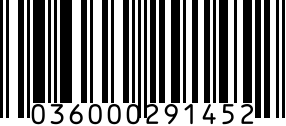
UPC sta per Universal Product Code. È una simbologia di codici a barre a 12 cifre gestita da GS1 che identifica univocamente un prodotto in tutto il mondo. Le prime 6-10 cifre identificano il produttore (il GS1 Company Prefix), le cifre successive identificano il prodotto specifico, e l'ultima è una cifra di controllo mod-10 che valida la scansione.
Se vendi su Amazon, Walmart, Shopify, o qualsiasi grande retailer in Nord America, ogni SKU necessita di un UPC. I retailer verificano il tuo UPC contro il database globale GS1 per confermare che provenga da un prefisso registrato. UPC 'lookalike' auto-generati possono passare i controlli di sintassi ma falliscono la verifica del registro per listing ad alto rischio.
Come è strutturato un codice UPC
Un codice UPC-A standard codifica 12 cifre divise in: una cifra di sistema numerico (identifica la categoria prodotto — '0' per la maggior parte dei consumer goods, '2' per articoli a peso variabile, '3' per farmaceutici, '4' per uso in-store, '5' per coupon), 5-9 cifre assegnate da GS1 come tuo company prefix, le rimanenti cifre come identificatore prodotto, e 1 cifra di controllo finale. La cifra di controllo è calcolata mod-10 dalle 11 precedenti — sbagliala e nessuno scanner leggerà il codice.
Come ottenere un codice UPC (la via GS1)
Ogni UPC reale nasce nel sistema GS1: un company prefix viene licenziato e gli identificatori prodotto vengono assegnati nel namespace di quel prefisso. Per listing marketplace standard, ottieni codici verificati derivati da GS1 dalla nostra pagina Acquista codici UPC (da $5). I venditori con marchio registrato hanno bisogno di codici licenziati a proprio nome — vedi le FAQ della pagina di acquisto.
UPC vs UPC-A vs UPC-E
UPC-A è il codice a barre standard a 12 cifre che vedi sulla maggior parte del packaging retail. UPC-E è una variante compressa a 8 cifre per packaging minuscoli (tubi lip gloss, bustine campione, piccole barrette di caramelle) dove un UPC-A completo non entra. UPC-E si espande in un UPC-A completo a 12 cifre usando un algoritmo di compressione definito — rappresentano gli stessi dati, solo renderizzati diversamente.
Generatore UPC gratuito: quando va bene?
Generare un UPC-A sintatticamente valido qui funziona per: prototipazione, tracking SKU interno, listing Etsy/eBay sotto la tua esenzione GTIN esistente, prodotti brand-registry, o qualsiasi contesto dove l'UPC non debba risolvere a un brand registrato nel database GS1. Per Amazon e Walmart a scala, ottieni codici verificati derivati da GS1 dalla nostra pagina Acquista codici UPC (da $5).
FAQ
Come trovo il mio codice UPC?
Guarda sul retro o sul fondo di qualsiasi prodotto retail — vedrai un numero a 12 cifre stampato sotto un codice a barre verticale. Quel numero È l'UPC. Per prodotti che vendi, troverai i tuoi UPC assegnati nel tuo account portale GS1 sotto 'Manage Barcodes' o 'My Products.'
Qual è la differenza tra SKU e UPC?
Uno SKU (Stock Keeping Unit) è il tuo codice prodotto interno — scegli il formato, lunghezza e significato. Un UPC è un identificatore standardizzato globalmente univoco emesso da GS1 che qualsiasi retailer al mondo può scansionare e risolvere al tuo prodotto. SKU sono privati; UPC sono pubblici, registrati e legati al tuo brand.
Come ottengo un codice UPC?
Per listing marketplace standard, ottieni codici verificati derivati da GS1 dalla nostra pagina Acquista codici UPC (da $5). I venditori con marchio registrato hanno bisogno di codici licenziati a proprio nome — in quel caso il Company Prefix si licenzia tramite l'organizzazione membro GS1 del tuo paese; vedi le FAQ della pagina di acquisto.
Posso creare il mio codice UPC?
Tecnicamente sì — puoi generare qualsiasi numero a 12 cifre con una cifra di controllo valida (prova il nostro generatore sopra). Ma per uso retail, l'UPC deve provenire dal sistema GS1. Amazon, Walmart, Target e Google Shopping verificano contro quel database e rifiutano UPC 'auto-creati'. Usa UPC generati solo per scenari interni/prototipo/esenti; per listing reali, ottieni codici verificati derivati da GS1 dalla nostra pagina Acquista codici UPC (da $5).
Dove cercare un codice UPC?
Lookup pubblici gratuiti includono UPC Lookup (upcitemdb.com), Barcode Lookup (barcodelookup.com), e il portale Verified by GS1 su gs1.org/services/verified-by-gs1. Il lookup GS1 è autorevole — se un UPC non appare lì, non è ufficialmente registrato.
Cos'è un UPC nella musica?
Nell'industria musicale, UPC si riferisce allo stesso Universal Product Code a 12 cifre, usato per identificare una release musicale (album, singolo, EP) su retailer digitali e fisici come Apple Music, Spotify, Amazon Music, e CD fisici. DistroKid, CD Baby e altri distributori musicali tipicamente assegnano un UPC a ogni release per te.
Related generators
Need a real barcode now?
Generate a valid UPC-A barcode in seconds, no watermark. Free for casual use; paid plans from $9/mo for higher volume.