
Home · Industries · Food & Beverage
食品・飲料ブランドのバーコード:包装食品、飲料、生鮮SKU
ペットボトル水から限定版クラフトビールまで — 各SKUは小売バーコード + 回収・賞味期限管理用のロット番号/賞味期限追跡が必要。イオン、セブン-イレブン、ファミマ、Amazon Freshが最初のスキャンから受け入れます。
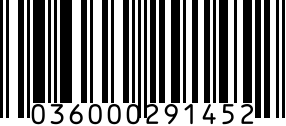
食品・飲料は最も要求の厳しい小売カテゴリ — 各SKUには小売UPC/EAN、外装ITF-14(イオン、セブン-イレブン、Costcoがケースレベルで要求)、ロット番号/賞味期限追跡が回収と賞味期限管理に必要。日本の食品衛生法と食品表示法は食品ラベルの強制内容(製造日、賞味期限、原材料、アレルゲン)を要求 — これらはバーコードにはないが、ロット番号システムは製造バッチ別の追跡をサポートする必要。
米国食品安全現代化法(FSMA)第204節は2026年1月施行 — 高リスク食品の高度な追跡可能性はサプライチェーン各ステップでのロット番号レベル記録を要求。生鮮、海鮮、即食、チーズ、貝、野菜果物すべて204リスト上。EAN-13/JAN-13は日本、欧州、中国の食品包装の標準;UPC-Aは北米。
Recommended barcode formats
日本、欧州、中国食品小売標準 — イオン、セブン-イレブン、ファミマ、伊藤忠食品、Tesco、Carrefour、Whole Foodsすべて各SKUにEAN-13が必要。日本プレフィックス45/49(JAN-13)。
北米食品小売要件 — Walmart、Target、Kroger、Whole Foods US、Costco US。
ケースコード — 外装バーコード、マルチパックSKUをWalmart、Costco、Carrefour、イオンの配送センターに出荷するため。GS1必須。
FSMA 204追跡可能性と日本食品衛生法追跡可能性を満たすためロット番号 + 有効期限 + GTINをエンコードする2Dコード。クラフトビール、専門食品でますます一般的。
Regulatory notes
- FSMA第204節(米国、2026年1月20日施行) — 食品追跡リスト(FTL)上の高リスク食品はサプライチェーンでロット番号レベル追跡可能性を要求。生鮮、海鮮、チーズ、貝、即食、野菜果物に影響。
- 食品衛生法(日本) — 食品の安全性確保のための基準。製造日、賞味期限、保存方法、製造者情報の表示を要求。ラベル上、バーコードには非エンコード。
- 食品表示法(日本、2015年施行) — 強制栄養成分表示、原産国、アレルゲン情報。ラベル上、バーコードとは別。
- EU食品情報規制1169/2011 — アレルゲン情報、原産国、栄養情報を要求。多言語ラベル、バーコードとは別。
- ITF-14ケースコード — Walmartサプライヤーマニュアルは外装出荷ごとにGS1 ITF-14を要求。Costcoも同様要求。Carrefourは外装にロット番号と賞味期限を運ぶEAN-128(GS1-128)を要求。
Step by step
- 1
完全SKU + ケース数のためにGS1事業者コードを購入
食品SKUは速く拡大 — 単一ブランドコーラが5味 × 3サイズ = 15個の小売SKU + 5ケース構成 = 合計20 GTIN。1,000 GTINティアは最も食品ブランドの出発点。
- 2
各小売ユニット + 各ケース構成にGTINを割り当て
小売ユニット(コーラ1本)= GTIN-13 (EAN-13/JAN-13)。12本ケース = 異なるGTIN-14 (ITF-14)、インジケーター桁'1'。24本ケース = 別のGTIN-14、インジケーター桁'2'。各独自包装構成 = 独自GTIN。
- 3
EAN-13/UPC-A小売バーコードを生成
各小売SKUに対し、EAN-13(標準1.469″ × 1.02″)またはUPC-Aをレンダリング。配置:パッケージの底、ラベル接続部から離して。10倍最小X次元の安静ゾーン。
- 4
ITF-14ケースバーコードを生成
各ケース構成に対し、ITF-14(標準5″ × 1.25″ベアラーバー付き)をレンダリング。配置:外装の両側。Walmart、Costco、Carrefour、イオン受領スキャナーは床から4フィートの高さで期待。
- 5
ロット番号/賞味期限追跡可能性を追加(Data Matrixまたは人間可読)
FSMA 204 + 日本食品衛生法追跡可能性はパッケージごとのロット番号と賞味期限を要求。オプション1:(01) GTIN + (10) ロット + (17) 賞味期限をGS1 Data MatrixでエンコードFを使用。オプション2:パッケージ上に人間可読で印刷、スキャン時に内部システムによってGTINにマップバック。
Gotchas
- ケースITF-14欠落は大型小売業者受領時の#1拒否原因 — ケースITF-14がスキャン失敗するとWalmartは実際にトラック全体を拒否。出荷前にハンドヘルドスキャナーで検証。
- 生鮮食品はバッチごとに賞味期限エンコーディングが必要(FSMA 204 + 日本食品衛生法追跡可能性) — GTINだけでは不十分。AI (17)付きData Matrixまたは別個の賞味期限スタンプを計画。
- EAN-8/UPC-Eは小型食品(シングルサーブソース、キャンディー)用 — しかしパッケージが許せば多くの小売業者はフルEAN-13を好む。
- 化粧品グレードの包装品質はPOSスキャンで重要 — ハイグロス、埋め込みバーコード、色付き背景はスキャン信頼性を大幅に低下。黒on白、標準バーコードサイズ、装飾を避ける。
- 日本食品表示法コンプライアンスチェックはますます自動化 — 法定ラベル情報の欠落は小売業者拒否または消費者庁行政処分につながる可能性。バーコード自体は氷山の一角にすぎない。
FAQ
食品・飲料に必要なバーコードは?
3層。(1) 各小売SKU(ボトル、缶、パッケージ)上のEAN-13/JAN-13またはUPC-A。(2) 各外装構成上のITF-14ケースコード。(3) FSMA 204 / 日本食品衛生法追跡可能性のためのバッチ-to-賞味期限追跡(バーコード内または並列印刷)。
FSMA 204節はいつ施行?
米国食品安全現代化法第204節追跡可能性規則は2026年1月20日施行。食品追跡可能性リスト(FTL)上の高リスク食品にバッチレベルのサプライチェーン追跡可能性を要求:生鮮、海鮮、即食食品、チーズ、貝、特定の野菜果物。各サプライチェーンパートナーはFDA要求から24時間以内にクエリ可能なバッチレベル記録を維持する必要。
日本食品にはEAN-13が必要?UPC?
EAN-13(JAN-13、プレフィックス45/49)。イオン、セブン-イレブン、ファミマ、ローソン、伊藤忠食品、Carrefour Japanはすべて各SKUにEAN-13を期待。日本で製造して米国にも輸出する場合、別個のUS UPC-Aを購入する必要はない — 日本のJAN-13もAmazon USで動作(先頭ゼロのEAN-13として扱われ、GTIN-13として保存)。
ケースITF-14バーコードに必要なものは?
外装(マルチパック小売ユニットのカートン)GTIN、ITF-14バーコードとしてレンダリング。Walmart、Costco、Carrefour、イオン、Tescoは受領時に各外装にそれを要求。GTIN-14 = インジケーター桁('0'内部ユニットと同じ、'1'-'8'パック数量バリアント用)+ 内部小売GTIN(前ゼロパディング)+ 再計算チェック桁。
ロット番号と賞味期限はどうエンコード?
オプション1:AI付きGS1 Data Matrix:(01) GTIN + (10) ロット + (17) YYMMDD賞味期限。これはFSMA 204優先形式。オプション2:バーコードの隣に人間可読で印刷 — 内部サプライチェーンシステムでロット番号をGTINにマップバック。多くのブランドは冗長性のため両方を行う。